Our Approach / SaniClean Blog
How the two-step dry fogging process works
A closer look at the treatment method behind our non-invasive approach.
A closer look at the treatment method behind our non-invasive approach.
Fine particles, wider reach
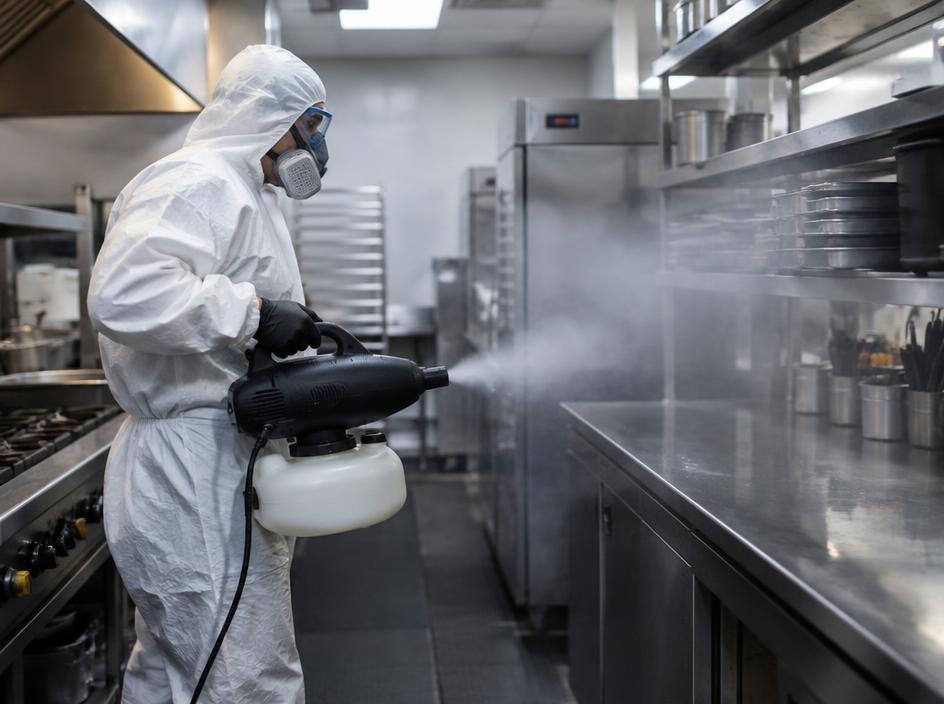
Dry fogging disperses microscopic treatment particles into an affected space. This helps reach areas that are difficult to treat with surface wiping alone while avoiding the added moisture of traditional wet application.
The method is part of a remediation plan, not a substitute for repairing a leak or removing materials that cannot be restored.
Two purposeful applications
SaniClean Pros describes its process in two stages: an initial sterilizing treatment to address mold spores and other contaminants, followed by a protective barrier application. Each stage is selected and applied according to the conditions of the property.
Before work begins, ask the team about preparation, how the space will be accessed, and when it can be used again.
A tailored assessment matters
The source of moisture, the kind of material affected, and the extent of damage all influence the recommendation. Sometimes non-invasive treatment is suitable; sometimes removal, drying, or repairs are also necessary.
Where the process fits
Dry fogging is a way of distributing a fine treatment mist through a space. Its reach can be useful for complex interiors and surfaces that are difficult to wipe individually, but the fog itself does not identify the cause of contamination. The assessment comes first: where did moisture enter, which materials are affected, and what needs to be dried or repaired?
A property with wet insulation or deteriorated drywall may need material removal in addition to treatment. A property with an ongoing plumbing leak needs that leak fixed. A responsible proposal distinguishes treatment from source control rather than presenting one application as a solution to every condition.
Before, during, and after treatment
Before work begins, ask which rooms are included, how furnishings and sensitive items should be prepared, whether occupants and pets need to leave, and what the re-entry instructions are. The answers depend on the treatment plan and product directions; do not assume the same preparation or timing for every job.
The first application is intended to address spores and contaminants in the treated area. The second is intended to leave a protective barrier on suitable surfaces. These steps describe SaniClean Pros’ approach, not a promise that every hidden cavity or damaged material can be treated without opening it.
Good questions to ask the team
Ask how the proposed method matches the inspection findings. Which areas are being treated, and which are outside the scope? What moisture repairs need to happen separately? Are there materials that cannot be restored? How will the team explain completion and any recommended follow-up?
Keep a copy of the written scope. If new damage is discovered during work, request an updated explanation before assuming the original plan covers it. The best outcome comes from matching treatment to the actual building conditions, then keeping the repaired area dry.
Related service
Mold Remediation & RemovalA careful, non-invasive approach to mold in homes and businesses.
Have a question about your property?
We can help you understand the next step.