
Water Restoration / SaniClean Blog
What to do in the first hours after water damage
A calm, practical sequence for protecting people and property after a leak.
A calm, practical sequence for protecting people and property after a leak.
Make the space safe first
Do not enter standing water near outlets, appliances, or wiring. If it is safe to do so, shut off the source of water and move people away from the affected area. For sewage or contaminated water, avoid direct contact and seek professional help.
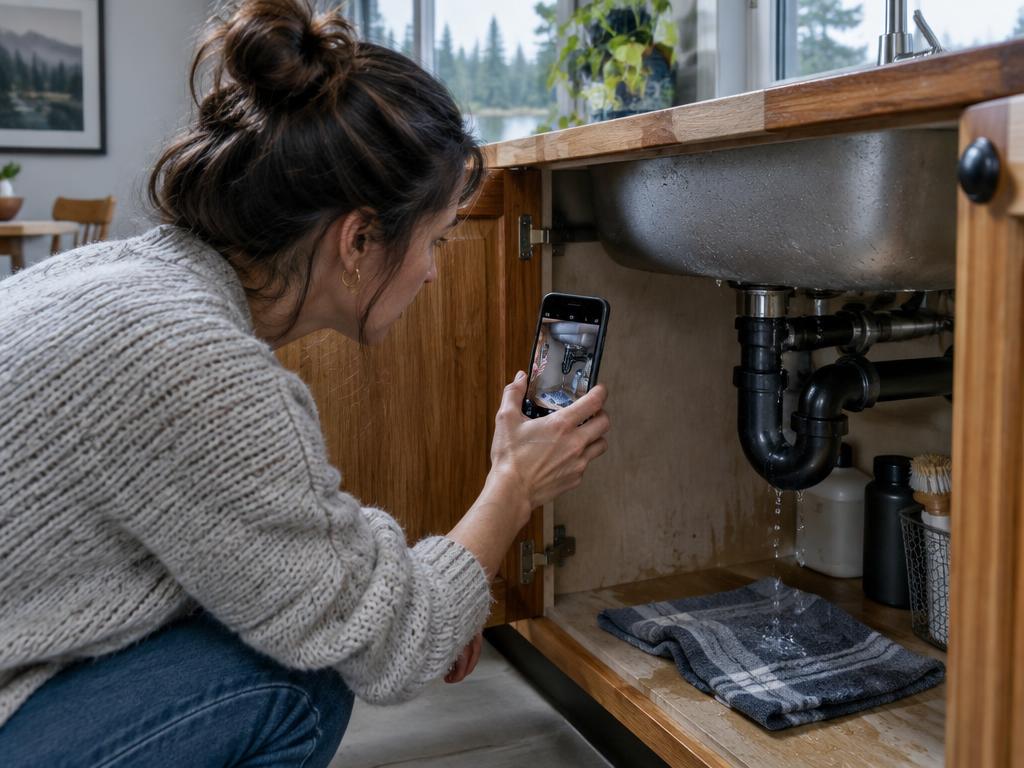
Document the scene with photographs before moving damaged belongings when practical. Your insurer may ask for a record of the event and the affected areas.
Limit continued exposure
Move portable items out of the wet area if it is safe, and avoid placing fans where they could spread contamination. Water can travel beneath flooring and behind walls, so a surface that looks dry may still hold moisture.
Prompt assessment is valuable because drying decisions depend on the water source, materials, and how long the space has been wet.
Call for urgent help
For active water damage, call SaniClean Pros directly at (253) 241-0777. A calendar request is useful for planned evaluations but should not replace an urgent phone call.
The first practical decisions
If water is still entering the property, prioritize stopping the source only if it is safe to do so. Know the location of your main shutoff before an emergency happens. If the leak involves an upper floor, remember that water may travel through light fixtures and wiring below; keep clear of electrical risks and get appropriate help.
Once people are safe, record the affected rooms, the apparent source, and the time you discovered the damage. Photograph flooring edges, walls, cabinets, and belongings before items are moved. Keep receipts for emergency work and make a list of damaged items, especially if you plan to contact your insurer.
Why the visible puddle is not the full picture
Water moves sideways under flooring, into wall cavities, along baseboards, and through insulation. A dry-looking surface can hide moisture in layers below. The materials involved matter: a tile floor, a wood subfloor, and an insulated wall will not dry in the same way. A professional moisture check helps define the boundary of the affected area.
The source also matters. Clean water from a supply line calls for different handling than sewage, floodwater, or water that has passed through contaminated materials. Do not assume all wet items can be dried and reused. Ask what can be restored, what must be removed, and how that decision was made.
What happens after the emergency call
Expect an initial assessment of safety, water source, affected materials, and drying needs. The team may recommend extraction, equipment placement, monitoring, and repairs to the source. Ask how progress will be checked and what needs to be dry before reconstruction begins.
Do not close a wall or install new finishes over materials that remain wet. If a musty odor develops or a stain returns after the initial response, mention it during follow-up. Early documentation and clear communication make it easier to keep drying, restoration, and any insurance conversation aligned.
Have a question about your property?
We can help you understand the next step.