
Indoor Air / SaniClean Blog
Humidity, condensation, and mold: the connection
How everyday moisture patterns can affect the health of a room.
How everyday moisture patterns can affect the health of a room.
Why moisture matters
Mold needs moisture. High indoor humidity, repeated condensation, and slow leaks all allow surfaces to stay damp long enough for growth to develop. Bathrooms, crawl spaces, basements, and poorly ventilated rooms deserve particular attention.
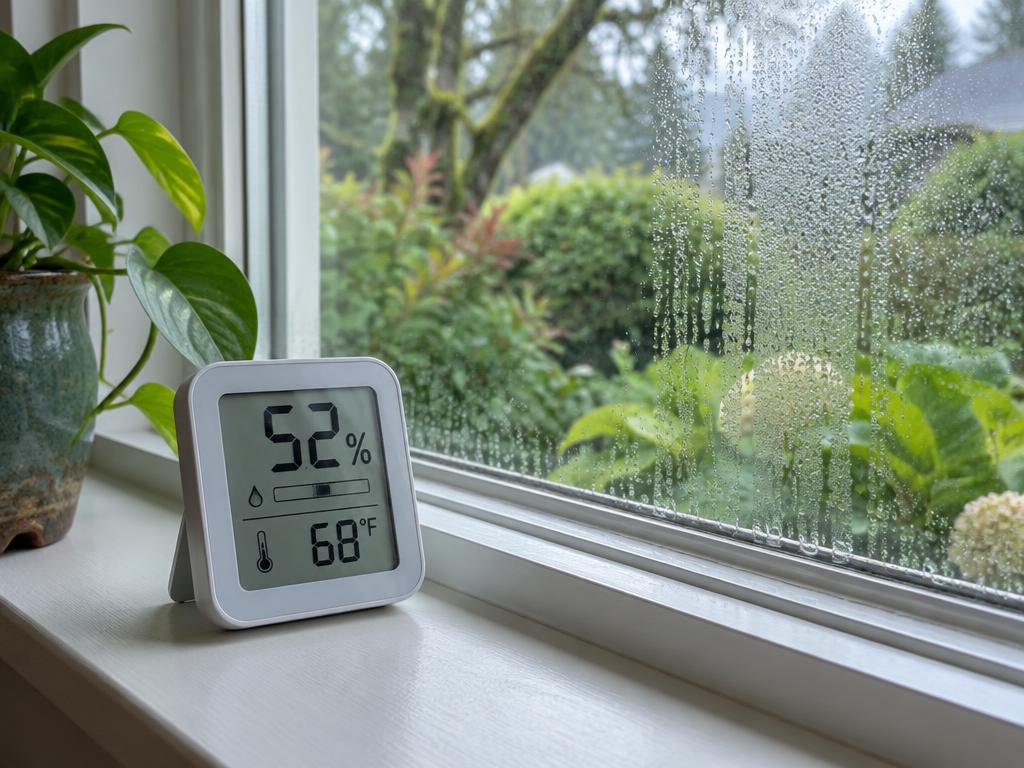
A hygrometer can help you track humidity patterns over time, but a single reading cannot reveal water trapped inside materials.
Look for patterns
Condensation on windows, a recurring musty odor, and stains that worsen after rain can help narrow down a source. Ventilation and dehumidification may help manage everyday moisture, while plumbing or building-envelope problems need repair.
Treat the cause
Cleaning a spot without correcting the water source often leads to repeat growth. A useful remediation plan considers both the affected area and the conditions that allowed it to develop.
Reading the room instead of one number
Indoor humidity changes through the day and from room to room. A single reading near a thermostat might miss a damp basement corner or a bathroom that remains humid after showers. Take readings in the places you are concerned about and at different times, and compare them with visible condensation or odors.
Weather can also change the pattern. A cold window may collect water in winter, while a below-grade wall may feel damp after rain. If a stain follows weather, investigate the building envelope or drainage. If moisture appears around a fixture regardless of weather, look for plumbing or appliance leaks.
Small habits that help
Use a bathroom exhaust fan during and after showers, vent a clothes dryer outdoors, and avoid blocking supply or return air paths. Give damp items room to dry rather than storing them tightly against exterior walls. A dehumidifier can help manage humid air, but emptying it is not a substitute for fixing a leak.
Notice where water actually collects. Condensation on glass is visible, but moisture can also accumulate behind furniture, in carpet against a wall, or inside a crawl space. If an area stays wet despite better ventilation, the cause may be inside the structure and deserves closer investigation.
When a broader investigation helps
Recurring growth after cleaning, soft finishes, and persistent odor are signs to look beyond everyday humidity control. Document the pattern and have the area assessed before covering it with new paint or flooring. Testing may be useful in some cases, but moisture history and an inspection are essential context.
A practical plan identifies both the affected material and its moisture source. The next step could be a repair, drying, ventilation changes, targeted treatment, or a combination. The aim is to prevent repeated wetting rather than repeatedly cleaning the same spot.
Have a question about your property?
We can help you understand the next step.