
Mold & Moisture / SaniClean Blog
The early signs of mold you should not ignore
What visible growth, odors, and recurring dampness can tell you about a space.
What visible growth, odors, and recurring dampness can tell you about a space.
Start with the conditions, not just the stain
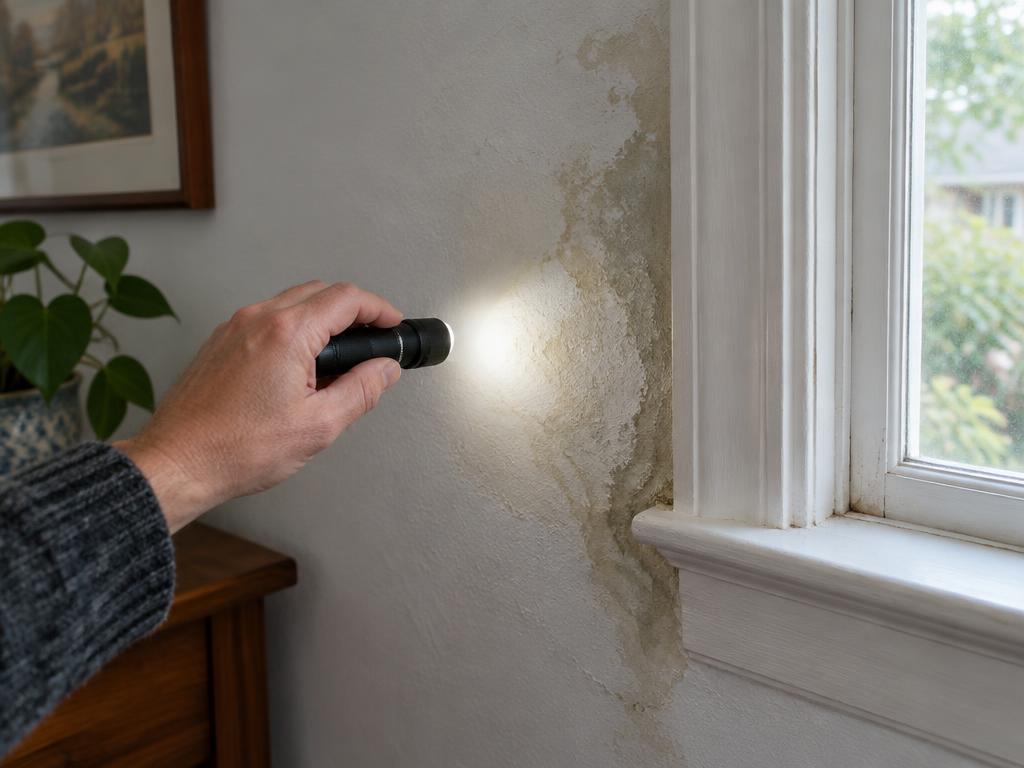
Mold grows where moisture lingers. A small dark mark near a window, baseboard, or plumbing fixture is worth investigating, particularly if it returns after cleaning. Condensation, leaks, and poor ventilation can all create favorable conditions.
A musty odor may signal damp materials even when you cannot see growth. Check behind furniture, under sinks, near tubs, and around previous leak locations without disturbing large affected areas.
What to look for
Discoloration may appear green, black, white, or brown. Peeling paint, warped trim, soft drywall, and persistent condensation can point to a moisture problem. None of these signs alone proves the type or extent of mold; an assessment connects the evidence.
Take photos, note when the issue first appeared, and look for a possible water source. If an active leak exists, address it promptly and avoid electrical hazards.
When to bring in help
If growth is recurring, covers a significant area, or seems connected to hidden water damage, professional evaluation is the safer next step. An inspection can help identify affected materials and a treatment plan that fits the property.
Where hidden moisture often shows up
Pay attention to rooms that have been wet before, even if repairs were completed. Around a window, recurring condensation can soak the sill and nearby wall. Under a sink, a slow drip can damp the cabinet floor long before there is a visible puddle. At a basement wall, a stain that grows after rainfall may point to water entering from outside rather than a one-time spill.
Walk through the home after a heavy rain and again during a dry period. Compare what changes. Check whether exhaust fans actually move moist air outside and whether furniture is pressed tightly against a damp exterior wall. These observations make an assessment more useful because they connect the visible mark to a likely source.
Cleaning a mark versus solving the problem
A small patch on a hard, nonporous surface is different from growth on drywall, insulation, carpet, or wood that has stayed wet. Wiping a surface may improve its appearance, but it does not dry the material beneath or repair the leak that caused it. Painting over discoloration before investigating the source can make the problem harder to track.
Avoid scraping or opening up a larger affected area without understanding what is behind it. Disturbing material can spread dust and complicate cleanup. If you rent, photograph what you found and notify the property owner or manager so the water source can be addressed.
Prepare for an evaluation
Write down when you first noticed the odor or stain, whether it changes with weather, and any history of roof, plumbing, or appliance leaks. Share photos from earlier stages if you have them. Note whether household members have noticed the same issue in adjoining rooms.
An assessment should explain what is visibly affected, what moisture evidence was found, what remains uncertain, and which repairs or treatment steps may be needed. The goal is not merely to name a spot as mold; it is to understand why the space stays damp and what will keep it dry.
Related service
Mold Remediation & RemovalA careful, non-invasive approach to mold in homes and businesses.
Have a question about your property?
We can help you understand the next step.