
Water Restoration / SaniClean Blog
Preventing mold after a plumbing leak
Why even a small leak deserves a thorough drying plan.
Why even a small leak deserves a thorough drying plan.
Small leaks can travel
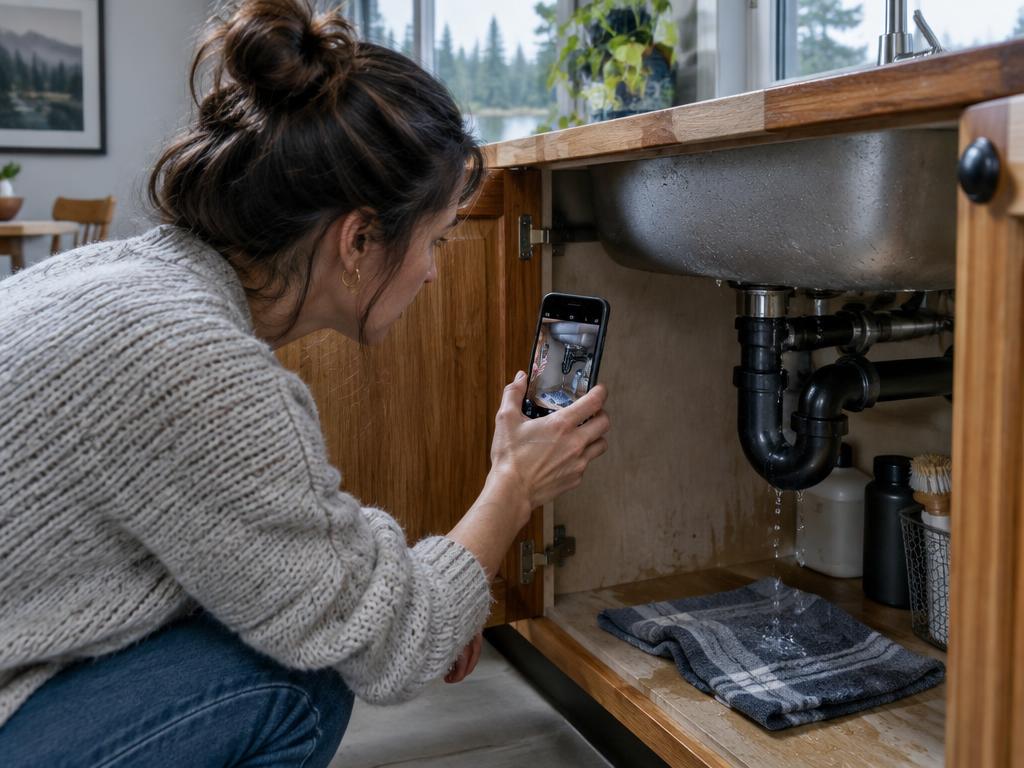
Water can wick into baseboards, drywall, cabinets, and under flooring. The visible puddle may represent only a part of the affected area. Shut off the source when safe and document what happened.
Drying is more than wiping
Porous materials can stay wet after surfaces feel dry. A moisture assessment helps determine where water traveled and whether additional drying or material removal is needed. Avoid sealing wet cavities before they are dry.
Watch the follow-through
Keep an eye out for lingering odor, staining, or warped materials in the weeks after a repair. If conditions change or the area remains damp, arrange a professional evaluation.
Follow the route the water took
Water from a refrigerator line may run beneath cabinets and flooring rather than pooling where the leak started. A pipe inside a wall may wet insulation and the back of drywall while the room-facing surface looks nearly normal. After shutting off the source, document where water was seen and where it might have traveled.
Check nearby baseboards for swelling, cabinet bottoms for soft spots, and flooring seams for lifting. Do not open electrical fixtures or tear into walls simply to look. A moisture assessment can map affected areas with more context than a quick visual check.
Dry the material, not just the air
Running a fan in the room may make a surface feel dry without removing moisture from a subfloor or enclosed cavity. Drying decisions depend on the material, how long it was wet, and whether the water was clean or contaminated. Some porous items cannot reasonably be restored once affected.
Ask what will be monitored and how the team will know the space is ready for repairs. Installing new flooring or closing a wall too soon can trap moisture. If removal is recommended, request an explanation of why that material cannot be dried in place.
Follow up after the repair
The leak repair and the drying plan solve different problems. Once the water source is fixed, keep an eye on the same area during normal use. A return of odor, staining, or warped finishes can indicate remaining moisture or a second leak.
Keep photographs and any moisture documentation together with the repair records. If you need an evaluation later, the sequence of events will help the team focus on the likely source and avoid treating a recurring symptom in isolation.
Have a question about your property?
We can help you understand the next step.